The details recorded in any report are based upon observable characteristics at the time of the inspection. All inspections are made from ground level (unless otherwise stated) and so it is not possible to view trees from every angle. Aerial inspection may be recommended.
As trees are long lived and continually developing organisms that are susceptible to environmental changes and weather events, all reports and recommendations are only valid for the period of one year. Annual inspections are recommended.
Any recommendations made are in regard to a tree, or group of trees, as they are at the present time. The status could change considerably as a result of a weather event.
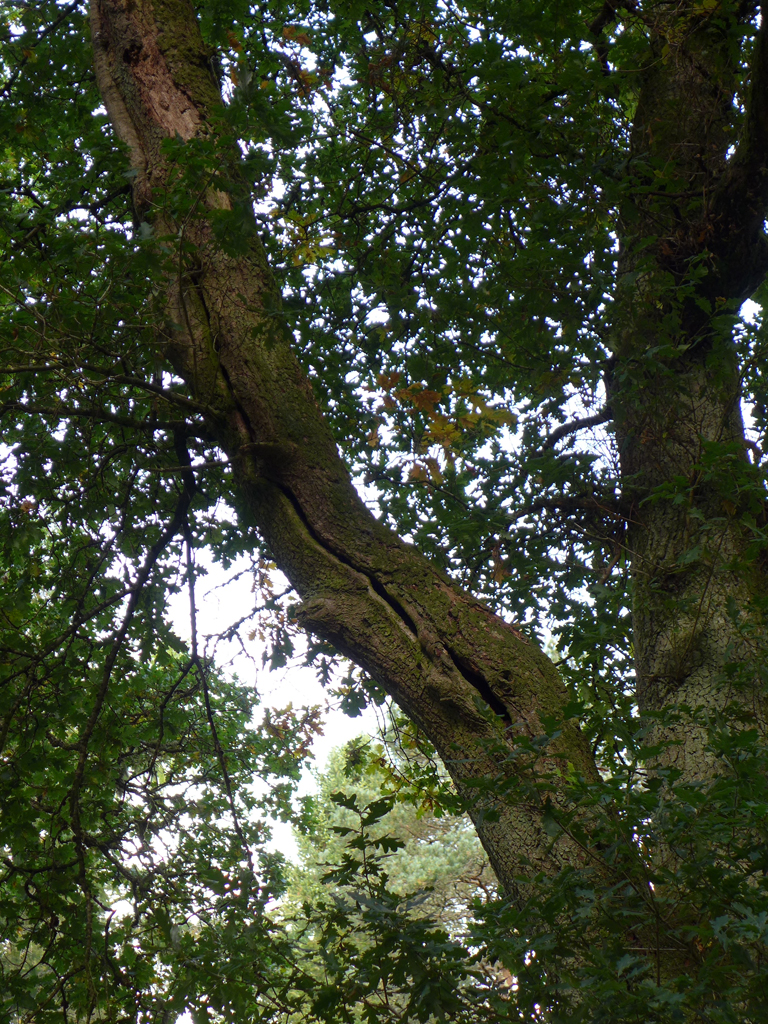
All bat species are protected under law in the UK. It is an offense to destroy their habitats, kill or otherwise disturb them. Bats often use crevices and cavities in trees. Various bird species are similarly protected.
The contents of any report do not represent legal advice.
There is no such thing as an entirely safe tree and strong winds or shifting soil conditions can destabilise and otherwise detrimentally impact a mechanically secure tree. Therefore hazards or defects can only be recognised when there are observable adverse characteristics.
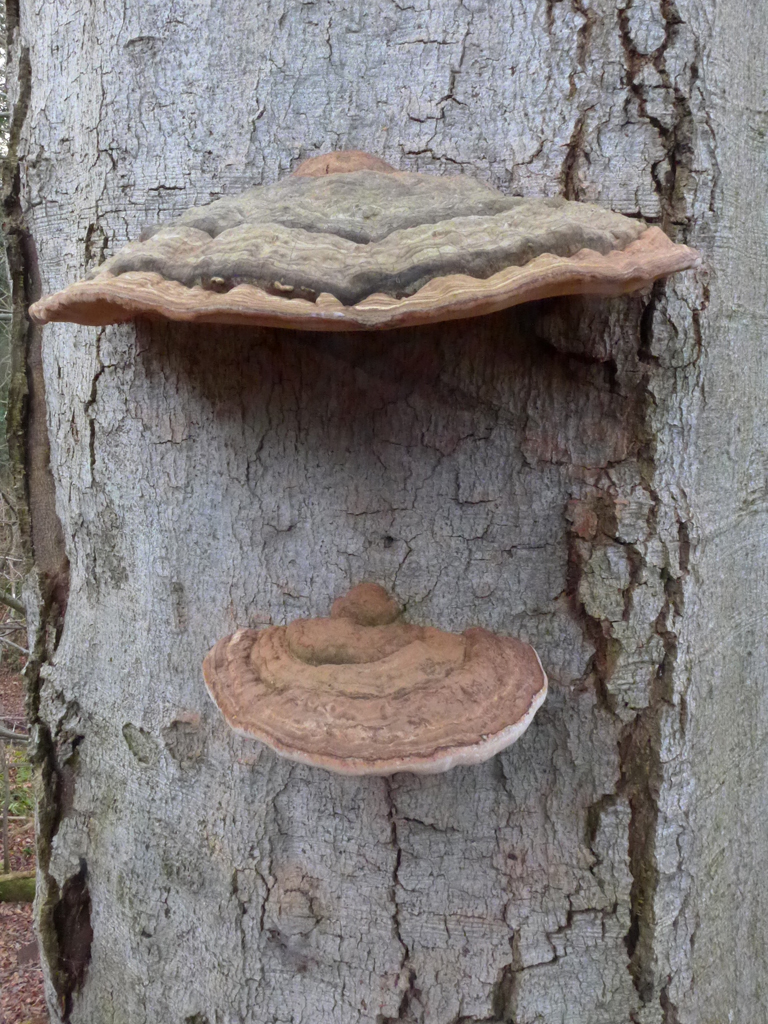
There is no way to credibly assess risk with zero error within a given period (apart from obvious emergency work) as we cannot see inside trees or their parts. No risk assessment system is truly quantifiable for this reason. What can be done and is done is the reading of tree body language for signs of structural weakness and diseases which tend to lead to failure of whole or part. The Visual Tree Assessment (VTA) focuses on visible biomechanical issues and the presence of notable decay organisms. When a tree is seen to present a risk of whole or part, it must be given a window for action even though the tree or its part may well remain for months or even years longer than this window. This is so because we must err on the side of caution where people and property are concerned. To achieve this any observed risk of any real significance must be given an advisory action period (6 weeks, 3 months etc) for mitigation works to commence within, and so that these works can be prioritised in order of seriousness for efficiency and cost effectiveness.
 Awen Tree Consultancy